Personal Branding vs Business Branding: Which Should You Build?
Should you build a brand around your name or your business name? The answer depends on your goals and exit plan. Here's how to decide.
2 min read · Updated 2026-05-11
Short answer
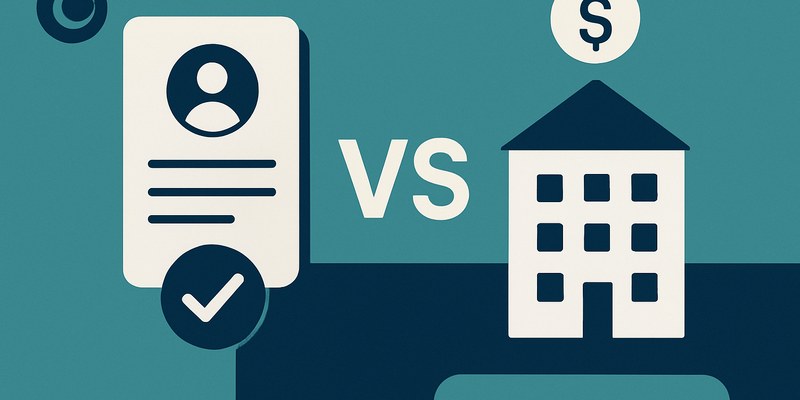
If you plan to sell the business or hire a team, build a business brand. If you're a solo consultant, coach, or creative where clients hire you specifically, build your personal brand. Most service-based solo operators benefit from both — lead with personal, back it with business.
What personal branding means
Personal branding is building your reputation as an individual expert. Customers hire you because of who you are, your knowledge, and your track record.
Coaches, consultants, speakers, freelancers, and creators typically build personal brands. "I hire Sarah because she's the best at X" — that's a personal brand.
Advantages:
- Easier to grow on social media (people connect with people, not companies)
- Builds faster trust — your face and story are more relatable than a logo
- Flexible — you can change your business model without rebuilding from scratch
Disadvantages:
- Harder to scale or exit — the business is you
- If you stop working, the brand stops too
- Clients may be reluctant to work with your employees or team
What business branding means
Business branding builds the reputation of the company, not the individual. "Smith Plumbing" has a reputation independent of any one employee.
Local service businesses, retail stores, restaurants, and companies with multiple employees or an exit strategy typically build business brands.
Advantages:
- Sellable — the brand has value independent of you
- Scalable — the business reputation exists even when you're not there
- More professional for B2B and corporate clients
Disadvantages:
- Harder to build audience on social media (company content gets less reach than personal content)
- Takes longer to establish trust
The hybrid approach (best for most small businesses)
Many successful small business owners build both: they lead with their personal brand (the face of the business, active on LinkedIn or Instagram) while the business brand handles the transactional relationship (logo, website, emails come from the business name).
This gives you the reach of personal branding with the scalability of a business brand.
Related questions
Free SEO checklist
Grab our free Small Business SEO Checklist — a step-by-step guide to ranking your site higher.